All Categories
Featured
Table of Contents
Find out to take advantage of AI to develop customer-centric techniques that drive innovation and development. How to prevent mistakes that hinder brands, businesses, and even professions.
It is particularly pertinent for: Marketing directors, VPs, CMOs, and company heads preparing to take on greater strategic leadership functions. General supervisors and entrepreneurs who supervise big marketing budgets and liable for driving organization development. Cross-functional leaders aiming to position marketing as a collective force that drives innovation and competitive placing.
Subjects covered include: The evolving role of marketing executives as growth catalysts within the company. Understanding and navigating the pressures of the C-suite and marketing's effect on company method.
The future of AI in driving marketing execution and improving brand efficiency. Effective stakeholder engagement and impactful interaction. Budget management practices and marketing ROI and channel hierarchy.
Executive marketing is the continuous practice of tactically positioning yourself as an acknowledged authority in your discipline/industry through optimized digital existence, believed management, and genuine exposure. It changes profession security from depending upon a single company to building portable professional equity that brings in chances no matter employment status. It's proactive and ongoing and you're not simply engaged when you need a brand-new function.
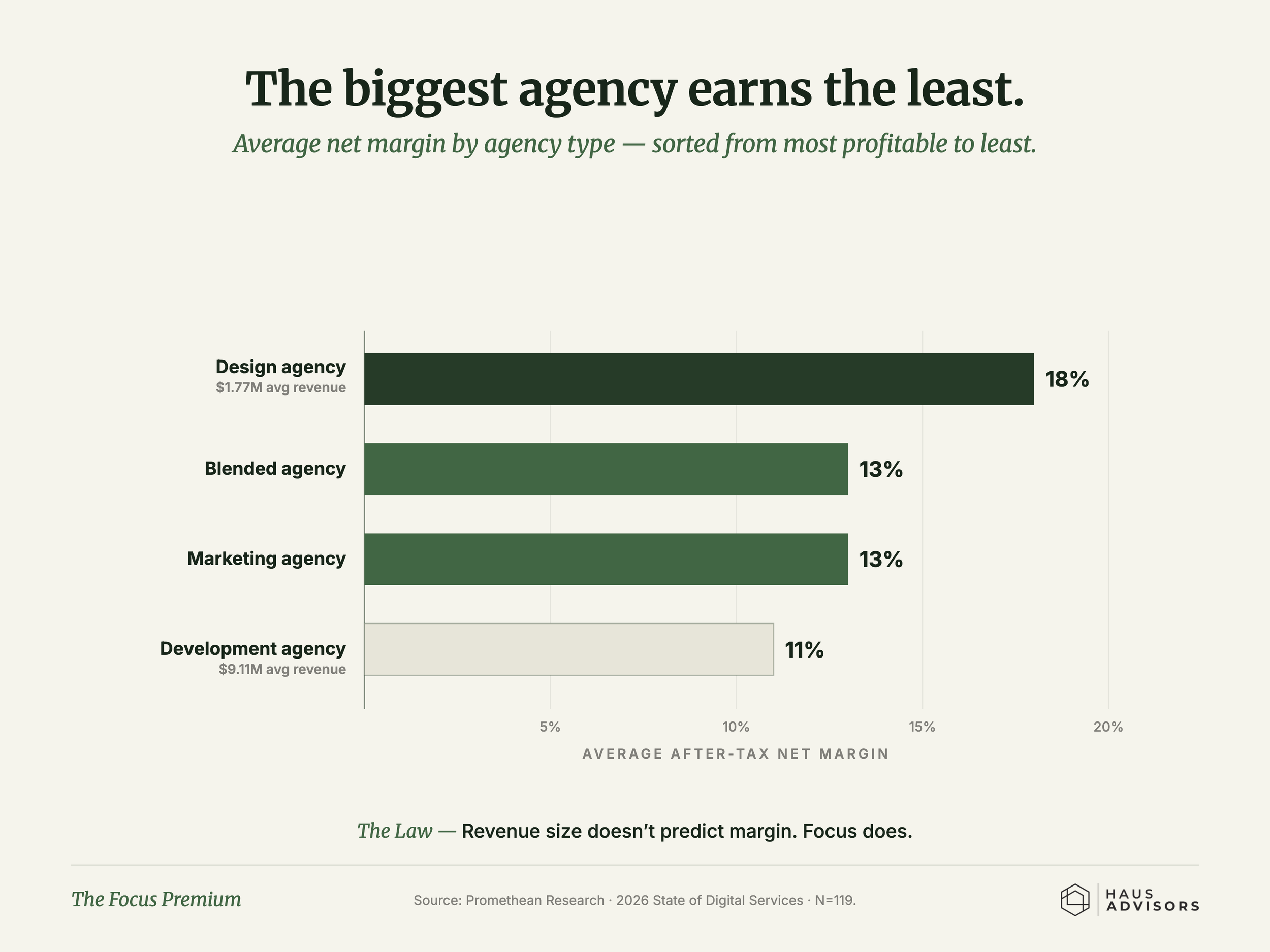
How to Protect Net Margins in 2026?
Executive marketing is the communication of your identity. Many executives wait until they require a task to think of their professional outreach. While handling the tension of looming joblessness, they're trying to build reliability, demonstrate know-how, and develop connections. That's not technique. That's crisis management. Executive marketing turns this technique entirely.
In this manner chances discover you and leads are always warm when you need them stemming from your continuous exposure and outreach. If you have actually been recruited, promoted, and/or searched for in some way your whole profession, then this post is for you, particularly. The rules of career development have actually essentially altered.
Here's what's happening: recruiters, boards, and financiers now form their very first impression of you online before they ever read your resume. AI-driven sourcing tools crawl LinkedIn profiles, individual sites, and released material to create longlists before human decision-makers get included. The executives who understand this aren't waiting till they need a brand-new role to develop their existence.

You lose market awareness of your own worth. Long-tenured executives who stay internal-facing often have no concept what their skills are worth in the wider market.
Why Marketing Leadership Defines Business Growth in 2026
When you lastly reach out after years of silence, it feels transactional, not genuine. Just 10% of hires occur through executive recruiters, and those employers work for the business that pay their charges, not for prospects.
Fourth, you work out from weakness. When you have no noticeable presence, no current idea management, and a dormant network, employers assume you don't have choices. You can end up taking what's used instead of commanding what you deserve. Executive marketing isn't about becoming an influencer or publishing inspirational quotes with sunset backgrounds.
It's intentional and proactive. This means preserving an enhanced, active LinkedIn presence that shows your existing capabilities, not just your employment history. It implies contributing significant insights through periodic posts, articles, or comments that demonstrate how you think of the obstacles in your industry. It means taking part in specific niche communities where high-trust, high-value connections take place.

How Can Agencies Scale Net Margins for 2026?
This is a skill set executives and senior experts have to learn. It indicates your resume and LinkedIn profile are strategic marketing tools, not career history files.
Clarity about your unique value. What's your superpower? What do you bring that others in your space don't? If you can't articulate this in a single clear sentence, hiring managers certainly can't figure it out from a generic resume that seem like everybody else's. Second, relationship-centered networking. According to JobVite, referred prospects are employed at a rate of 30%, compared to just 7% for applicants sourced through other approaches.

Latest Posts
Upcoming Industry Marketing Trends Across the US
Tracking Expansion in Key US Business Sectors
Proven American Business Success Stories