All Categories
Featured


Comparing Legacy Systems Versus Modern Agency Blueprints
According to McKinsey, business that break down data silos see a 15-25% boost in marketing efficiency. Data Governance Frameworks: Develop clear protocols for data access, use, and upkeep to guarantee consistency across the organisation. Information quality structures are essential for developing rely on analytics and insights. Efficient approaches include: Recognition Procedures: Execute AI-driven validation tools within platforms like Salesforce to reduce mistakes and inconsistencies.
Routine Audits: Set up quarterly data-quality reviews to recognize and attend to emerging problems before they impact efficiency. Real-World Example: Spotify's Data Innovation Spotify offers a leading example of data development, combining structured quality control with sophisticated device finding out for customer division. Their method has driven a 20% boost in subscriber conversion and a 15% boost in listener engagement, demonstrating how sophisticated data management directly impacts organization results.
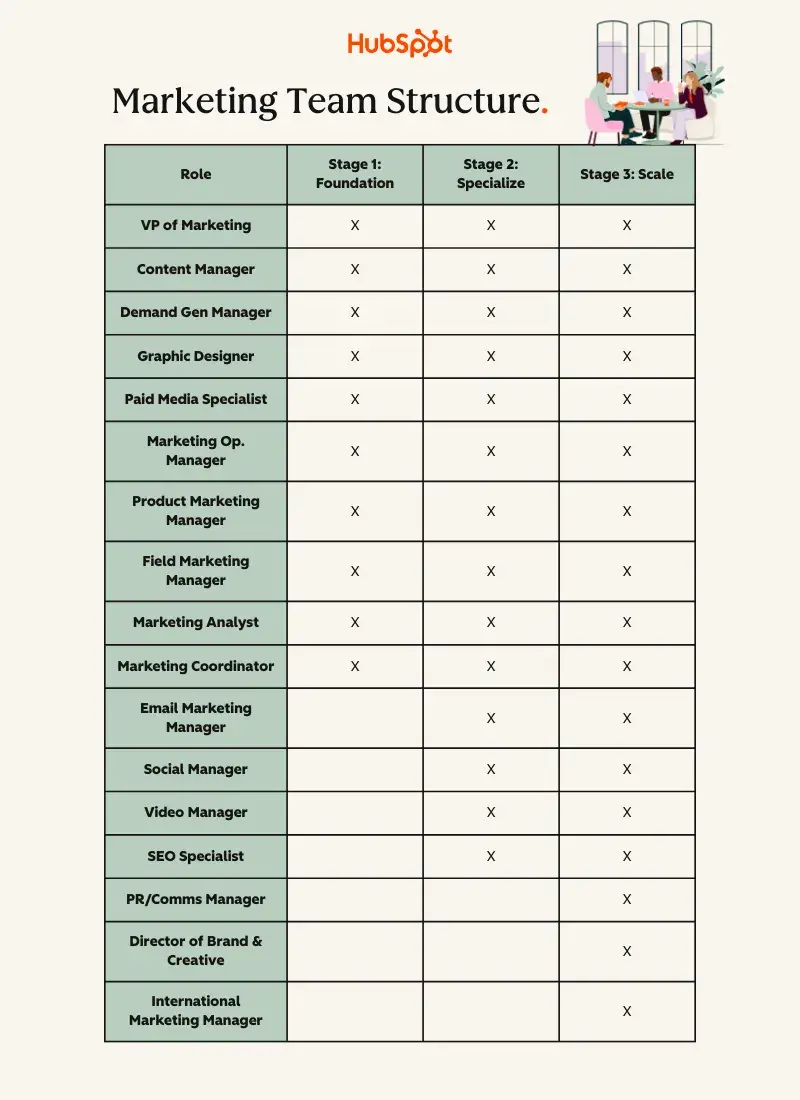
A mix of specialised roles and collective culture underpins effective marketing operations. A high-functioning marketing operations group typically includes these important roles: Marketing Operations Supervisor: Supervises organisational method, innovation development, and procedure optimisation.

Automation Expert: Configures workflows, manages combinations, and guarantees the innovation stack provides maximum worth and performance. Material Operations Professional: Handles the material production pipeline, making sure consistency, compliance, and effective property management. Given today's fast technological development, promoting a culture of versatility is important. Techniques to establish such strength include: Upskilling Initiatives: Devote quarterly discovering budgets for expert training in emerging tools and strategies.

Latest Posts

Utilizing Data-Backed Growth Systems

Data-Backed Enterprise Frameworks for Success
Conducting Effective Competitor Audits for US Success